
The Role of Explosion Isolation in Chemical and Petrochemical Plants: Breaking the Chain Reaction
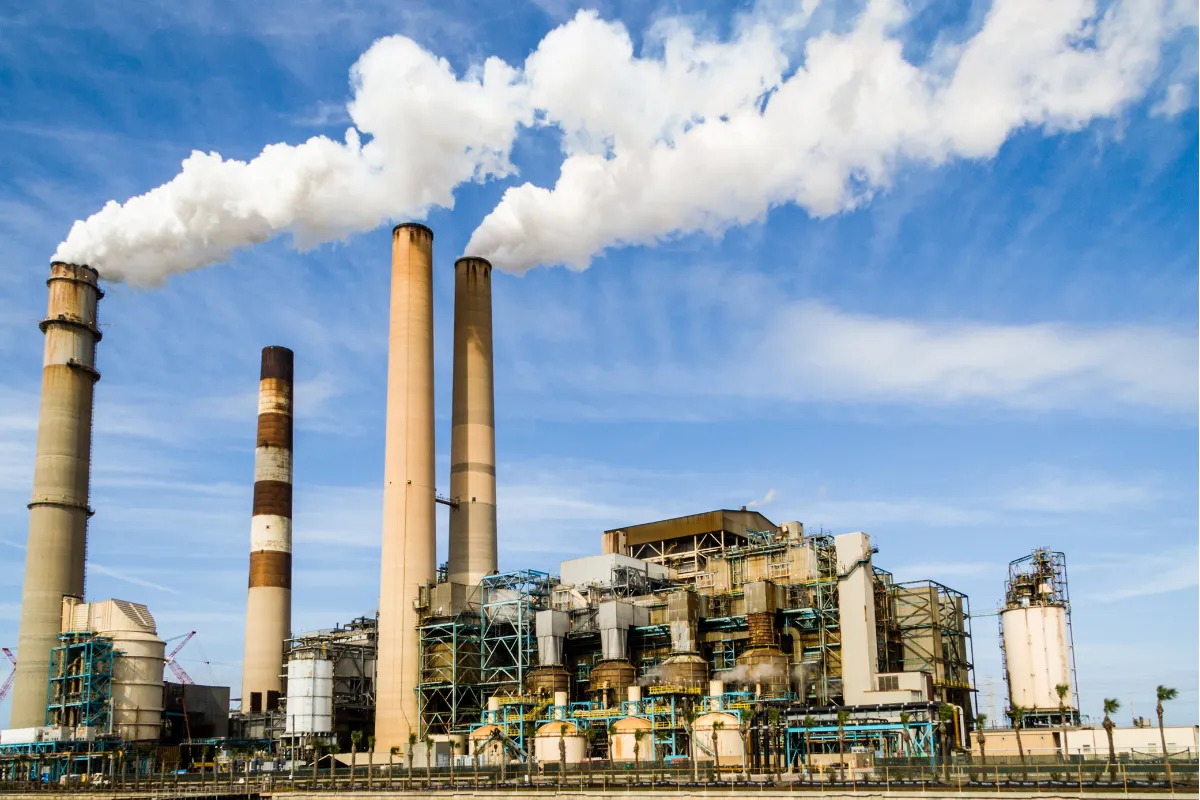
In chemical and petrochemical facilities, explosion risk is not always limited to the point of origin. When a deflagration occurs in a reactor, a cyclone, or a dust collector, the connections between equipment can become propagation channels, creating a chain reaction with devastating consequences.
This is where explosion isolation comes into play: systems designed to stop the flame front and pressure wave in fractions of a second, preventing the initial event from multiplying into other equipment or areas.
P&V Control Devices offers mechanical isolation valves and chemical barriers that respond automatically upon detecting changes in pressure or radiation. These technologies comply with international standards such as NFPA and ATEX, and are adapted for the corrosive environments, high temperatures, and extreme conditions typical of the petrochemical industry.
The result is not only the protection of equipment and people, but also a reduced risk of prolonged shutdowns and multimillion-dollar losses. In a sector where operational continuity is critical, isolation is the invisible barrier that makes the difference between a controlled incident and a major disaster.