
Identification of Hazardous Areas in Combustible Dust Environments – P&V Control Devices
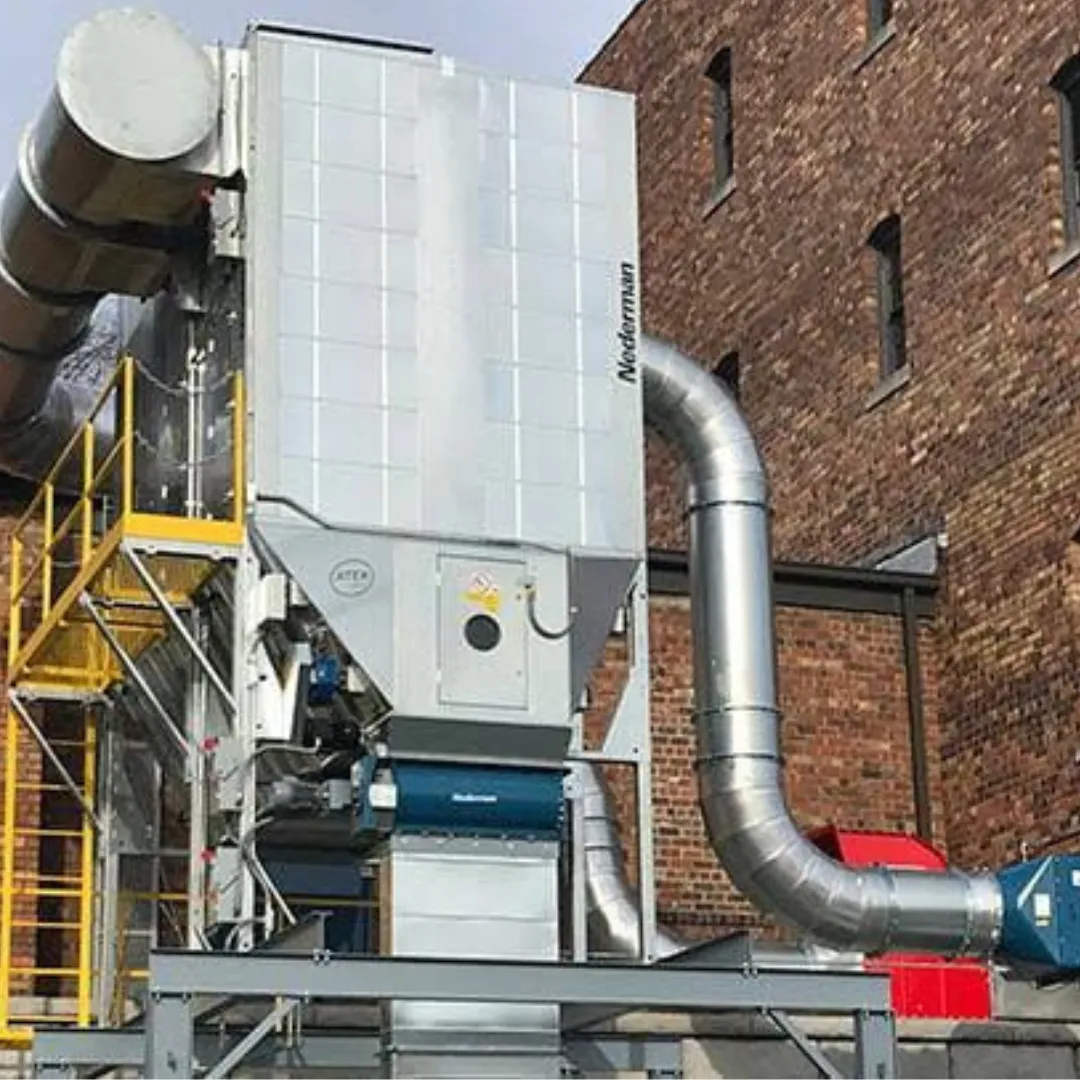
One of the first critical steps in any effective industrial explosion prevention strategy is the precise identification of hazardous areas within the plant or facility.
This stage allows efforts to be focused on the areas that truly represent a significant risk, optimizing both resources and protection measures.
At P&V Control Devices, we promote a structured, technical approach to carrying out this identification, combining analysis tools, process knowledge, and operational experience.
How are hazardous areas identified?
The recommended methodology includes three fundamental elements:
1. Up-to-date process flow diagrams These documents make it possible to visualize each stage of the industrial process: transport, storage, mixing, packaging, etc. By analyzing these routes, you can detect points where there is a higher probability of combustible dust generation, accumulation, or suspension.
2. Technical knowledge of specialized personnel The experience of the operations and maintenance team is invaluable. Anecdotal evidence—such as past incidents, frequently dusty areas, or hard-to-clean areas—provides information that drawings do not always reflect.
3. Physical walk-through of the facilities No analysis is complete without a detailed visual inspection. By walking through the production, storage, and loading areas, you can observe real conditions such as cleaning blind spots, dust leaks, seal wear, accumulation on electrical equipment, or poor ventilation.
From this data collection, it is possible to classify areas according to risk level:
High-risk areas, which require deeper analysis (such as a DHA) and immediate implementation of control measures.
Low-risk or controlled areas, where major intervention is not justified but which must remain under periodic monitoring.
Why is this stage so important?
Correctly identifying hazardous areas avoids underestimating critical risks or oversizing unnecessary measures.
It also makes it possible to comply with standards such as NFPA 652, ATEX 99/92/EC, and other local regulations that require clear delineation of classified areas and the adoption of appropriate devices according to the level of exposure.
At P&V Control Devices, we help our customers carry out this analysis with specialized technical support and concrete solutions, such as: Pressure/vacuum relief valves for areas at risk of overpressure or structural collapse.
Certified equipment for explosive atmospheres, with supporting documentation.
Technical recommendations for selecting devices according to area classification.
Conclusion Correctly identifying hazardous areas is much more than a documentation requirement: it is a key practice for preventing catastrophic events, protecting personnel, and optimizing investment in safety measures.
At P&V Control Devices, we support you from the initial analysis through the implementation of specific solutions, always with a technical, reliable approach aligned with industry best practices.