
Encapsulating, Mixing, and Drying: Three Critical Stages Where Dust Can Become a Threat
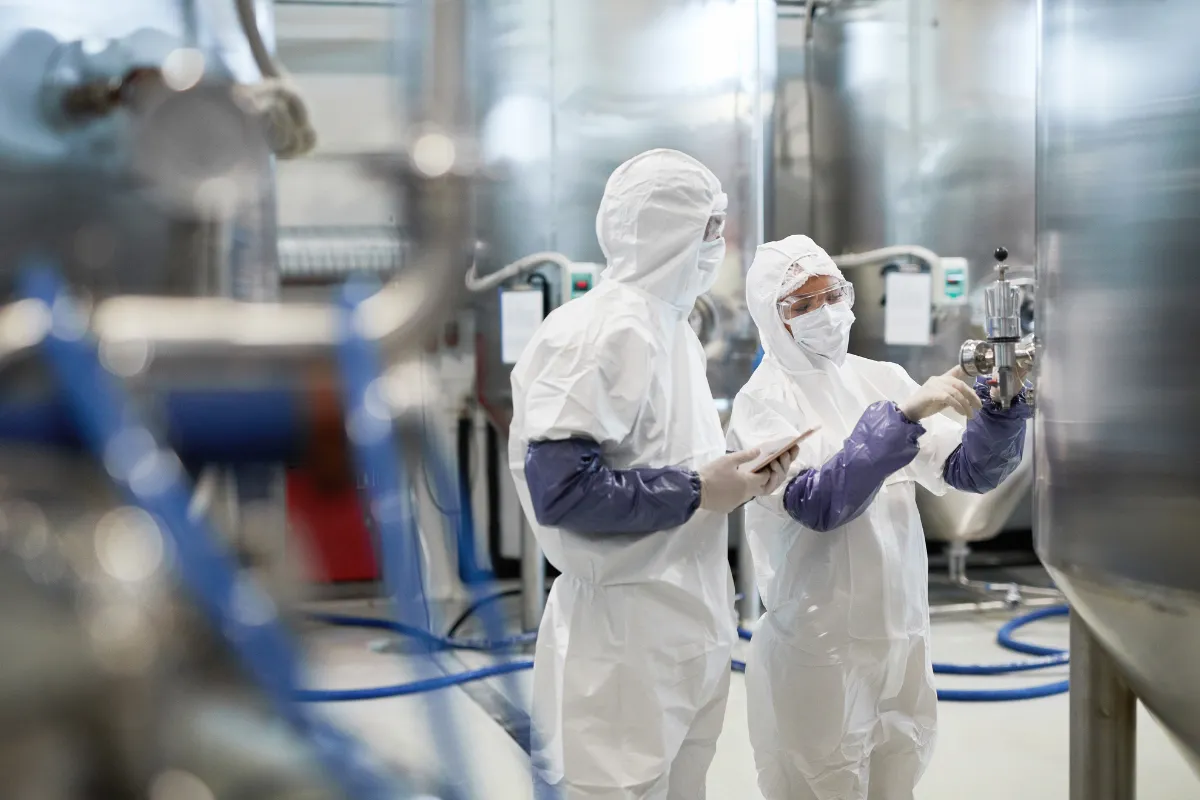
The pharmaceutical industry is governed by strict standards that ensure the sterility, precision, and traceability of its processes. However, there is an invisible enemy that, if left uncontrolled, can turn a certified production line into a high-risk environment: airborne pharmaceutical dust.
During processes such as excipient mixing, encapsulation, or drying of active ingredients, small particles can be released into the environment and form an explosive cloud. These conditions are enough to trigger a deflagration, especially if there is a static spark, an overheated motor, or a mechanical failure.
Most concerning is that these explosions not only put personnel or equipment at risk, but also compromise product validation, cleanroom integrity, and operational continuity.
P&V Control Devices offers solutions that act in milliseconds, such as active suppression systems that detect the onset of an explosion before it is visible, isolation valves that contain the propagation of the event, and sanitary rupture discs designed to operate without contaminating the process.
In an environment where safety is not an option but a mandatory standard, preventing this type of incident not only protects, it also safeguards patient trust and brand reputation.