
Flameless Venting
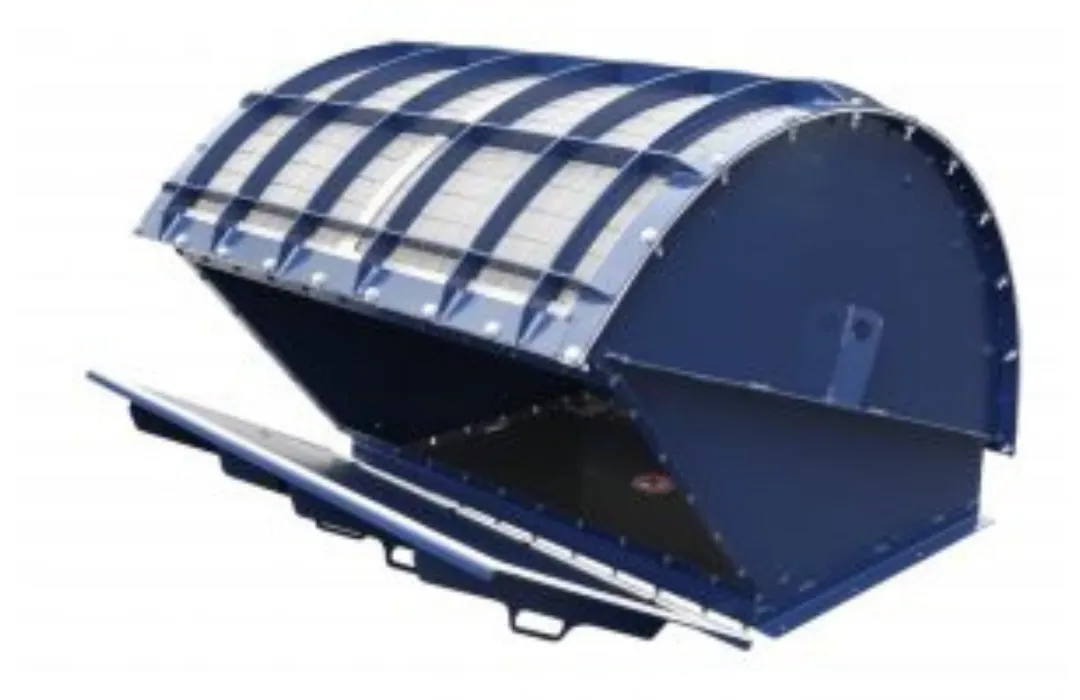
Flameless venting is a key industrial process in protecting facilities that handle combustible materials. This method is implemented to ensure that, in the event of an internal explosion, pressure is released without allowing the flame to propagate to the outside environment, thus avoiding secondary fire risks or additional damage. Flameless venting systems consist of devices designed to open at a specific pressure, releasing gases and safely reducing pressure. This type of protection is crucial in industries such as petrochemical, pharmaceutical and food processing, and in biogas systems, where products and processes that can generate explosive atmospheres are handled.
The efficiency of flameless venting lies in its ability to contain and dissipate explosion pressure without exposing the surroundings to flame propagation. These systems are usually integrated with explosion vent panels and suppression devices that, when activated, quickly release excess pressure. In addition, these panels are combined with filtration and cooling elements that prevent incandescent particles or flames from escaping to the outside. This process is particularly useful in reactors, silos and storage tanks, where the risk of explosion exists due to the nature of the materials stored or processed.
Advances in flameless venting technology have enabled more versatile, industry-specific solutions that comply with international safety standards. Implementing these systems not only protects infrastructure, but also ensures a safer work environment for employees and minimizes interruptions to production processes. In addition, the correct selection and maintenance of flameless venting systems is essential to ensure their effectiveness in critical situations, so periodic assessments and a prevention strategy that includes constant monitoring of the internal conditions of equipment and reactors are recommended.